Greece Travel Planning

Discover how to plan your first trip to Greece with these essential tips and insights.
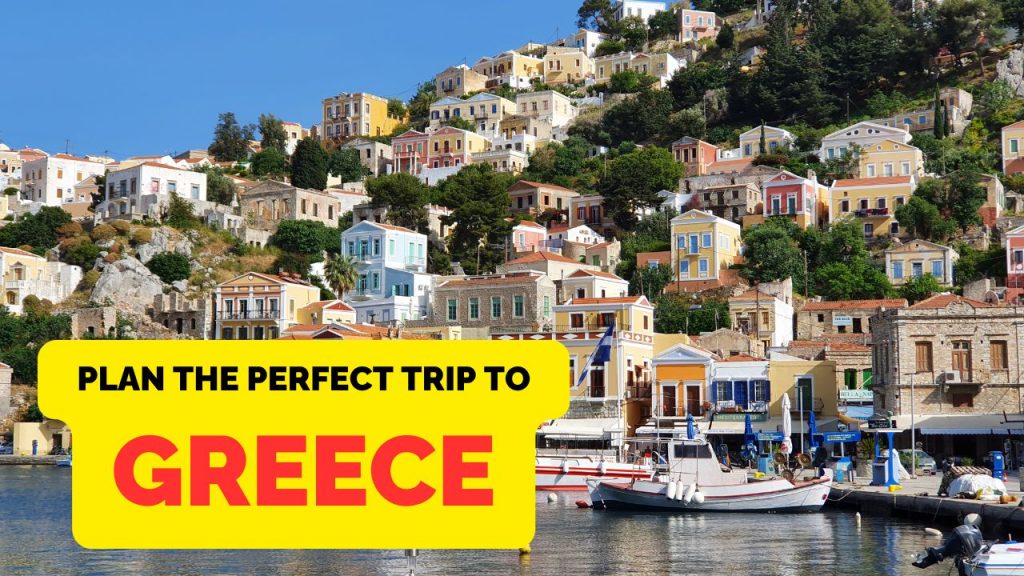
Planning your first trip to Greece and not sure where to start?
You've landed on the right page! I've lived in Greece for over 10 years, and have put together this travel planning guide to Greece to help you out.
It acts as a central hub that answers many questions first-time visitors to Greece have: How do you get there, and how do you travel between destinations? Where should you stay? What are the must-see sights? Do you need a visa? When should you book? What's the best time to visit, and what should you pack?
(As there's a lot of info and tips for planning a trip to Greece on this page, you might want to bookmark it for future reference).
Welcome to Greece!
Greece is a relatively small country, with a population of just 11 million. While you might think that would make travel planning easier, you need to keep in mind there are 117 inhabited islands (and thousands more uninhabited islands and islets). Choosing between them can be quite a task - more on that later!
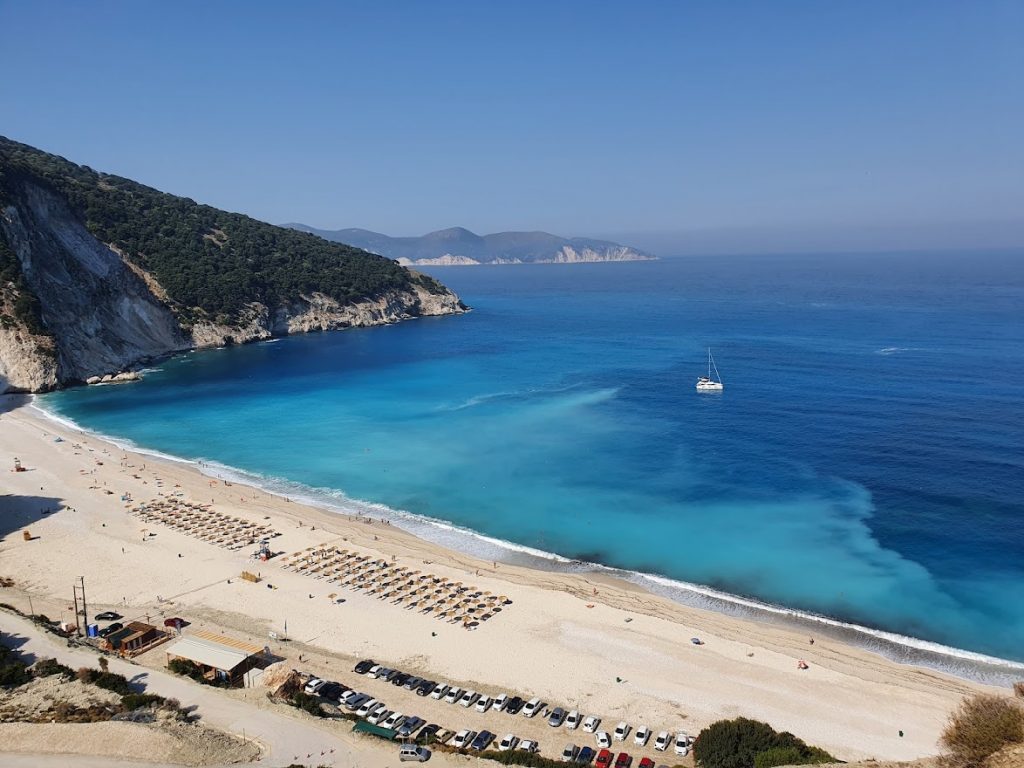
(Myrtos Beach in Kefalonia, Greece)
1. Entry Requirements: Passports & Visas Needed For Greece
EU/Schengen travelers, just pack your passport or travel ID and go! If you're from the UK, Canada, USA, Singapore, and Australia, you also have visa free travel to Greece. A bit of a heads up though: You might have heard about the ETIAS system rolling out in the EU. It's been delayed at least 4 times that I am aware of, and while they say it may be introduced for 2025, I'm not holding my breath. Still, it's on you to keep abreast of the current rules, and you can see the latest here: ETIAS Europe News
2. When to Go to Greece
Most people associate Greece with beaches, and if you want to enjoy them, visiting between May and October is advised. Personally, I think the best month to visit Greece is September, as there's a perfect blend of warm weather and fewer tourists because the European school holidays have finished. Can you visit outside those months? Of course you can! There's ski slopes for winter sports enthusiasts, and late fall can be ideal for road trips in Greece. Just don't plan to be on a beach vacation in Greece between November and March, unless you are Wim Hof! Read: Best time to visit Greece
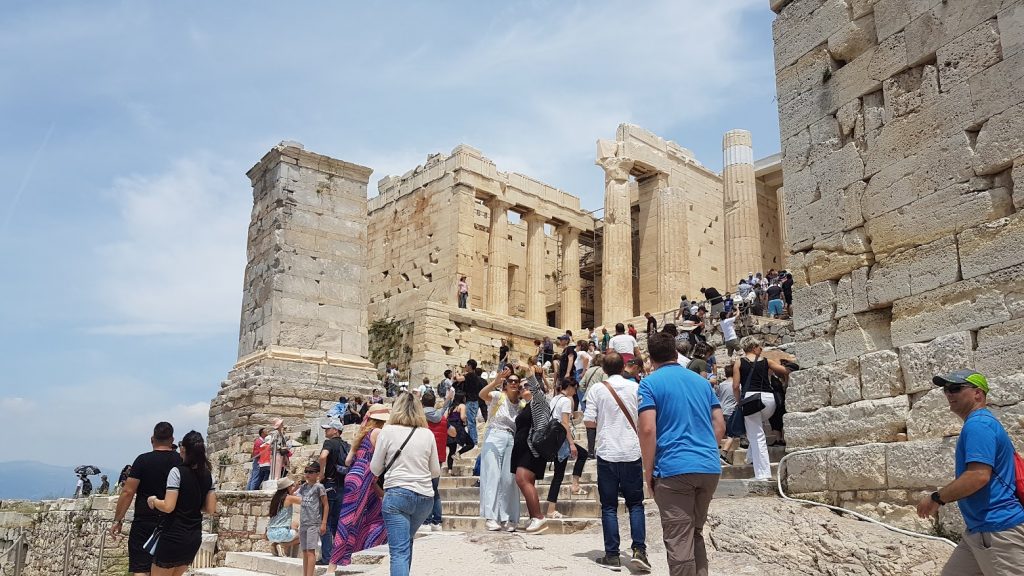
(The Acropolis can be busy to visit at any time of year)
3. Getting to Greece
Athens International Airport is the most popular arrival point for people traveling by air to Greece. Some popular islands like Crete, Rhodes, Santorini and Mykonos also have international airports, as well as Thessaloniki, the major city in the north of Greece. In addition, it is also possible to travel to Greece by ferry from Italy and Turkey, as well as overland from every bordering country. I find it useful to compare flight prices on Skyscanner first, but mostly find it cheaper to book directly with airlines once I know which route I want.
4. Getting Around Greece
Unless you are flying directly to one destination in Greece and staying there, you'll need to work out how to get around. Greek island hoppers will want to look at Ferryscanner for ferry routes between islands and to also book tickets online. Other possibilities of getting around include renting a car in Greece (although it's not advised you take a car on a ferry), internal flights, and the KTEL public bus service. I've this more in-depth guide to getting around Greece.
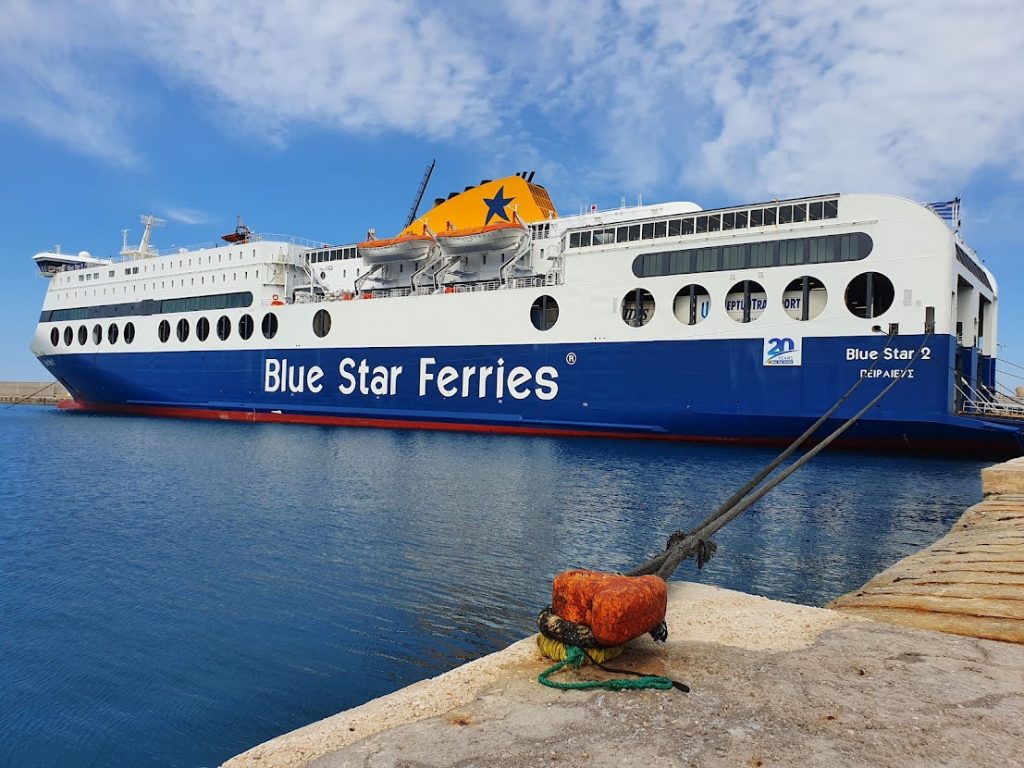
(Greek ferries come in all shapes and sizes. This Blue Star Ferries vessel takes vehicles as well as foot passengers)
5. Money in Greece
Like most of the EU countries, Greece uses the Euro and no other currencies are accepted. (If they are accepted, you can be assured you have gotten an horrific rate of exchange!). A few years ago, Cash was King in Greece. but that's all changed now, and by law all businesses have to provide a way to pay by card. There are some real-life exceptions such as if you are visiting a remote beach taverna that has no WiFi or cell phone signal, but in general, most visitors should be able to pay with a card everywhere. I'd advise having some cash though for the odd tip or street market purchase. Read more about Money in Greece.
6. How Many Days in Greece is Needed?
No matter how long you have, you are never going to see it all! The ideal number of days in Greece depends on what you want to see and do. Here's some suggestions:
- 3–5 days – Focus on Athens and a nearby island or day trip (e.g., Delphi or Hydra).
- 7–10 days – Explore Athens + 1–2 islands (e.g., Santorini and Mykonos) or Athens + mainland highlights (like Meteora or the Peloponnese).
- 14+ days – A deeper dive into Greece, covering Athens, multiple islands (Santorini, Crete, Naxos, etc.), and mainland destinations like Delphi or Thessaloniki.

(You can visit Meteora on a day trip from Athens, but try to spend a couple of days there if you can)
7. Must-See Spots (Beyond the Postcards!)
Yes, Santorini's sunsets and Mykonos' beaches dazzle, but there's much, much more to Greece. Some famous landmarks in Greece include:
Mainland Greece
- Meteora at Sunset – While Meteora is famous, experiencing it at sunset (away from the crowds) is a magical experience.
- Voidokilia Beach (Peloponnese) – A stunning horseshoe-shaped beach that feels like a hidden paradise.
- Loussios Gorge (Arcadia, Peloponnese) – An amazing hiking spot with monasteries built into the cliffs.
- Zagorochoria & Vikos Gorge (Epirus) – A hidden gem of mountain villages with incredible hiking trails.
- Ancient Messene (Peloponnese) – A well-preserved ancient city that rivals even Delphi but with far fewer tourists.
Greek Islands (Beyond Santorini & Mykonos)
- Milos – Unreal lunar-like landscapes at Sarakiniko Beach and some of the best hidden sea caves.
- Amorgos – The stunning cliffside Monastery of Hozoviotissa offers insane views and a peaceful escape.
- Naxos' Mainland Villages – Villages like Halki and Apiranthos showcase the real Greek island culture.
- Kythira – A quiet island with hidden waterfalls, Venetian castles, and stunning beaches.
- Ikaria – Known for its Blue Zone, where people live exceptionally long lives, and its traditional, slow-paced way of life.
- Samaria Gorge (Crete) – One of Europe's most breathtaking hikes through towering cliffs and wild landscapes.
Unique Cultural Experiences
- Nemean Wine Roads (Peloponnese) – An underrated wine region with incredible local wineries.
- Thessaloniki's Food Scene – A blend of Greek, Ottoman, and Balkan flavors, with lively markets and seaside tavernas.
- Chios' Mastic Villages – Unique medieval villages where mastic resin is produced, unlike anywhere else in the world.
- Tinos' Marble Villages – Pyrgos and other villages on Tinos showcase incredible traditional marble art.
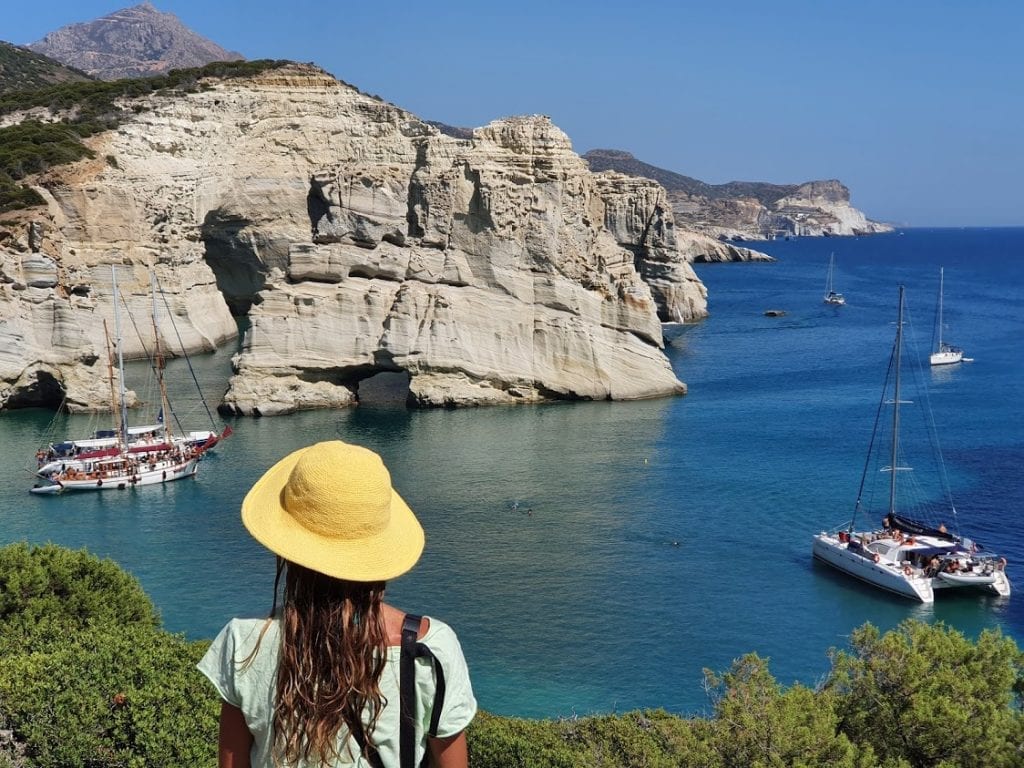
(Visiting Kleftiko Bay in Milos is a must do boat tour!)
8. Where to stay in Greece
While there are some chain hotels in the bigger cities and resorts, you'll find that most places to stay are locally owned and operated. There's accommodation for every budget in Greece, from 50 Euro a night studios which include a kitchen to 1500 Euro a night luxury stays with endless facilities. I recommend Booking for looking at places to stay over AirBnB as it offers better value often for the same properties. I've a useful article here about reader recommended properties to stay all over Greece.
9. How to choose where to go in Greece
The best thing you can do is base your visit on your interests. If ancient sites are your thing, you might want to hang around the Peloponnese which is a dense hotbed of archaeological sites. Prefer wild beaches? Try the south of Crete.
Identify Your Priorities
- Beaches & Islands: Opt for the Cyclades (Santorini, Mykonos, Paros) for iconic views and nightlife, or the Ionian Islands (Corfu, Zakynthos) for lush greenery and calm waters.
- History & Culture: Stay in Athens (Acropolis, museums), Delphi, or the Peloponnese (Olympia, Mycenae).
- Authentic Villages: Consider Crete, Naxos, or the lesser-known Dodecanese Islands (Symi, Patmos).
- Nature & Hiking: Explore Crete's Samaria Gorge, Meteora's monasteries, or the Vikos Gorge in Zagori.
Budget Considerations
- Luxury: Santorini (caldera-view hotels), Mykonos (boutique resorts).
- Mid-Range: Paros, Naxos, or mainland cities like Thessaloniki.
- Budget-Friendly: Dodecanese islands.
Transportation & Logistics
- Ease of Access: Athens and Thessaloniki have international airports. For islands, check ferry routes (e.g., Cyclades are well-connected) or domestic flights.
- Island-Hopping: Base yourself in hubs like Santorini or Paros to explore nearby islands.
- Car Rental: Useful for Crete, the Peloponnese, or rural areas.
Travel Season
- Peak (July-August): Expect crowds and higher prices. Ideal for vibrant nightlife.
- Shoulder (May-June, September-October): Mild weather, fewer tourists.
- Winter: Mainland cities (Athens, Thessaloniki) remain lively; many islands quiet down.
Accommodation Style
- Romantic Getaways: Cave hotels in Santorini or Oia.
- Family-Friendly: Resorts in Crete or Corfu with kid-friendly amenities.
- Backpackers: Hostels in Athens or Ios. Beach camping.
Activities & Interests
- Nightlife: Mykonos, Ios, or Athens' Psirri district.
- Food & Wine: Crete (traditional cuisine), Santorini (wine tours).
- Relaxation: Secluded beaches in Milos or Kefalonia.
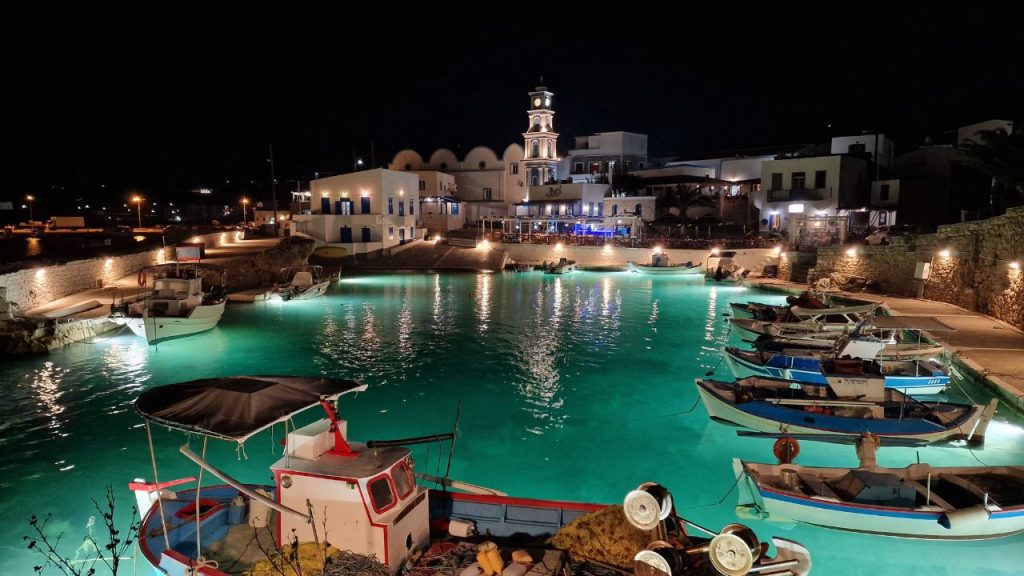
(Kasos is the ultimate quiet island destination in Greece)
More info about Greece
There'e literally hundreds of travel blog posts about Greece here on Dave's Travel Pages! Another useful page to read is my guide to the Greek mainland and islands.
Finally, why not sign up for my newsletter - you never know what info might come in handy!
All the best,
Dave
Dave is a UK travel writer living in Athens since 2015. With 20 years of firsthand travel experience and over 80,000 km of bicycle touring across six continents, he's been blogging at Dave's Travel Pages since 2005. Every guide is based on places he's actually been.
Get inside tips written by a local expert — island hopping itineraries, ferry know-how and hidden corners of Greece, straight to your inbox.
Subscribe to the newsletter